
Turn Handyman Work Into a Business People Call First
Learn which repairs pay, how to set a rate and a minimum, what you are allowed to do without a contractor license, and where steady work comes from.
Free business education. No purchase required.
How This Business Makes Money
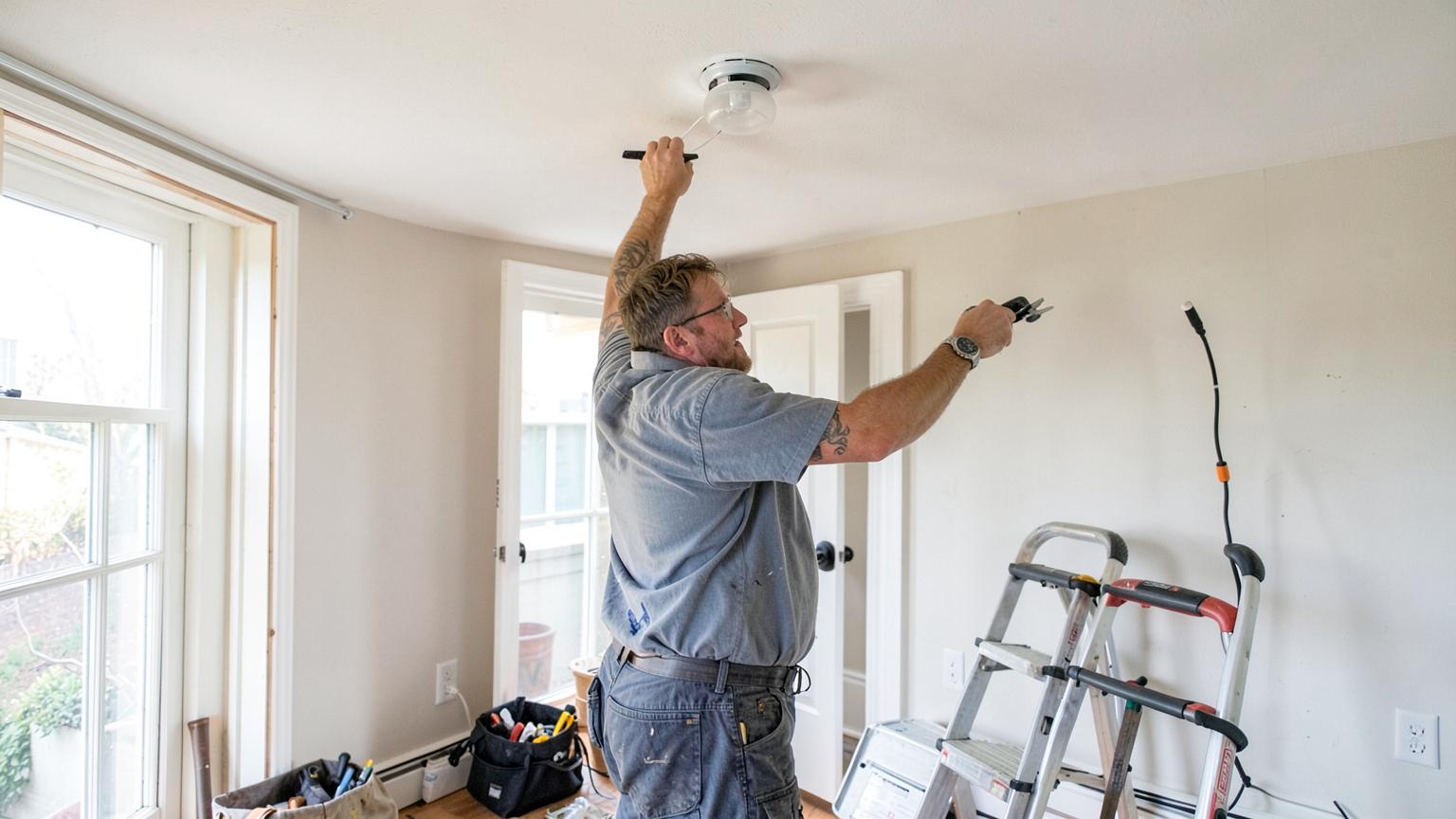
Handyman work is the definition of unmet local demand: everyone has a list, and licensed contractors will not drive out for a two-hour job. The business problems are scope and pricing — learning to say no to jobs that need a license, and charging a minimum so a $40 repair does not cost you a morning.
What customers actually pay for
- Small repairs and maintenance
- TV mounting and shelving
- Drywall patching and painting
- Door, lock and hardware work
- Faucet and fixture swaps
- Furniture and equipment assembly
- Deck, fence and gate repair
- Punch lists for landlords and agents
- Recurring maintenance for rentals
Who buys it
- Homeowners with a list they never get to
- Landlords and property managers
- Real estate agents before closing
- Short-term rental hosts
- Small businesses and offices
How pricing usually works
Hourly or half-day blocks with a minimum charge, and flat pricing on jobs you have done many times.
Licensing, certification, insurance, permits and other requirements vary by location and profession. SkillToClient provides business education and does not replace required professional licensing or technical training.
How Much Can a Handyman Services Business Make?
Change the numbers to match your own prices and schedule. These are educational gross-revenue illustrations, not earnings promises.
Business Revenue Calculator
Weeks per month is set to 4.
This calculator is for educational planning purposes only. Results represent gross revenue illustrations, not guaranteed earnings or profit. Actual revenue and expenses vary based on pricing, demand, location, operating costs, taxes, advertising, cancellations and other factors.
What Does It Cost to Get Started?
There is no single right number. Your startup costs may include tools and equipment, supplies, transportation, business registration, insurance, a website, marketing, payment processing and software.
Low-cost start
$300 – $800
- Hand and power tools you likely own
- Your own vehicle
- Free Google Business Profile
- Photos of completed jobs
Standard start
$1,200 – $3,000
- Ladders, tool storage and consumables
- General liability insurance
- Registration, EIN and local permits
- Website with services and service area
Growth setup
$4,000 – $10,000
- Work van and signage
- Specialty tools
- Advertising budget
- CRM, estimates, invoicing and follow-up
Ranges are educational examples only. Actual costs vary by location, equipment choices, insurance requirements and how much you already own.
Where Can You Find Your First Handyman Services Customers?
How I Would Try to Get My First 10 Customers
Customers 1–3
Start with the people who already know you
- Tell your network exactly which jobs you take and your minimum
- Complete three paid jobs and photograph before and after
- Show up when you said you would — that alone beats most competitors
Customers 4–6
Turn finished work into proof
- Ask for a Google review the day the job is done
- Ask what else is on the list before you pack up
- Answer repair questions in local groups instead of advertising
Customers 7–10
Build channels that repeat
- Meet two property managers and one real estate agent
- Complete your Google Business Profile with job photos
- Quote every request within the day and follow up on the quiet ones
Then
Make it repeatable
Google presence, a website, consistent follow-up, a customer list you can actually search, reviews, referrals and — only once those work — advertising.
Skill → Business → Customers → Growth, Applied to Handyman Services
Step 1 — Start
Set Up Your Handyman Business
- Check what your state allows unlicensed handymen to do, and the dollar limit on a job
- Decide the work you refuse — electrical, gas and structural are common lines
- Pick a business name you can still use in five years
- Understand sole proprietor vs LLC before you file anything
- Get an EIN so you are not handing out your Social Security number
- Check local registration, permit and insurance requirements for your area
Step 2 — Organize
Price, Quote and Get Paid Properly
- Set an hourly rate and a minimum charge, and hold both
- Write estimates the customer can read and approve
- Send invoices instead of asking for money by text
- Decide your deposit and payment terms before the first job
- Keep customer details and job history in one place
Step 3 — Get Found
Give People Somewhere to Check You Out
- Before-and-after photos of ordinary repairs convert well
- A simple website that explains your services and area
- A complete Google Business Profile with real photos
- Social profiles that show finished work, not just logos
- A steady habit of asking for reviews
Step 4 — Get Customers
Work the Channels That Fit This Business
- Landlords and agents provide steady repeat lists
- Fast replies win more jobs than low prices
- Ask every satisfied customer for a referral
- Follow up on quotes that went quiet
- Test small local ads only once your basics are in place
Step 5 — Grow
Turn Jobs Into a Business That Runs
- Maintenance agreements with rentals smooth out slow weeks
- Build repeat and referral income instead of chasing strangers
- Automate follow-up and review requests
- Track leads, estimates and close rate so you know what is working
- Add help only when demand is consistent
SkillToClient provides business education and tools. We do not promise guaranteed customers, guaranteed leads, guaranteed income or guaranteed search rankings, and we are not a law firm, accounting firm or tax advisory firm.
Free Handyman Business Starter Class
Learn how the business works before spending money trying to build it. Join a free live class every Tuesday or Thursday and bring your questions.
Build your 14-Day First Client Action Plan
Work through your offer, pricing, customer outreach and next steps with practical examples for service businesses.
- 01Understanding the Opportunity
- 02Services You Can Sell
- 03Pricing Your Services
- 04Finding Customers
- 05Setting Up the Business
- 06Building Your Online Presence
- 07Getting Repeat Customers
- 08Growing the Business
The Questions People Ask First
You Can Build It Yourself — Or Build the System With SkillToClient.
The roadmap above is free and always will be. If you would rather not assemble the business side yourself, SkillToClient can help you put it in place.
Education stays free. Memberships are optional.